Cashback Loops: How UK Casinos Convert Player Losses into Reload Bonuses
Cashback Loops: How UK Casinos Convert Player Losses into Reload Bonuses
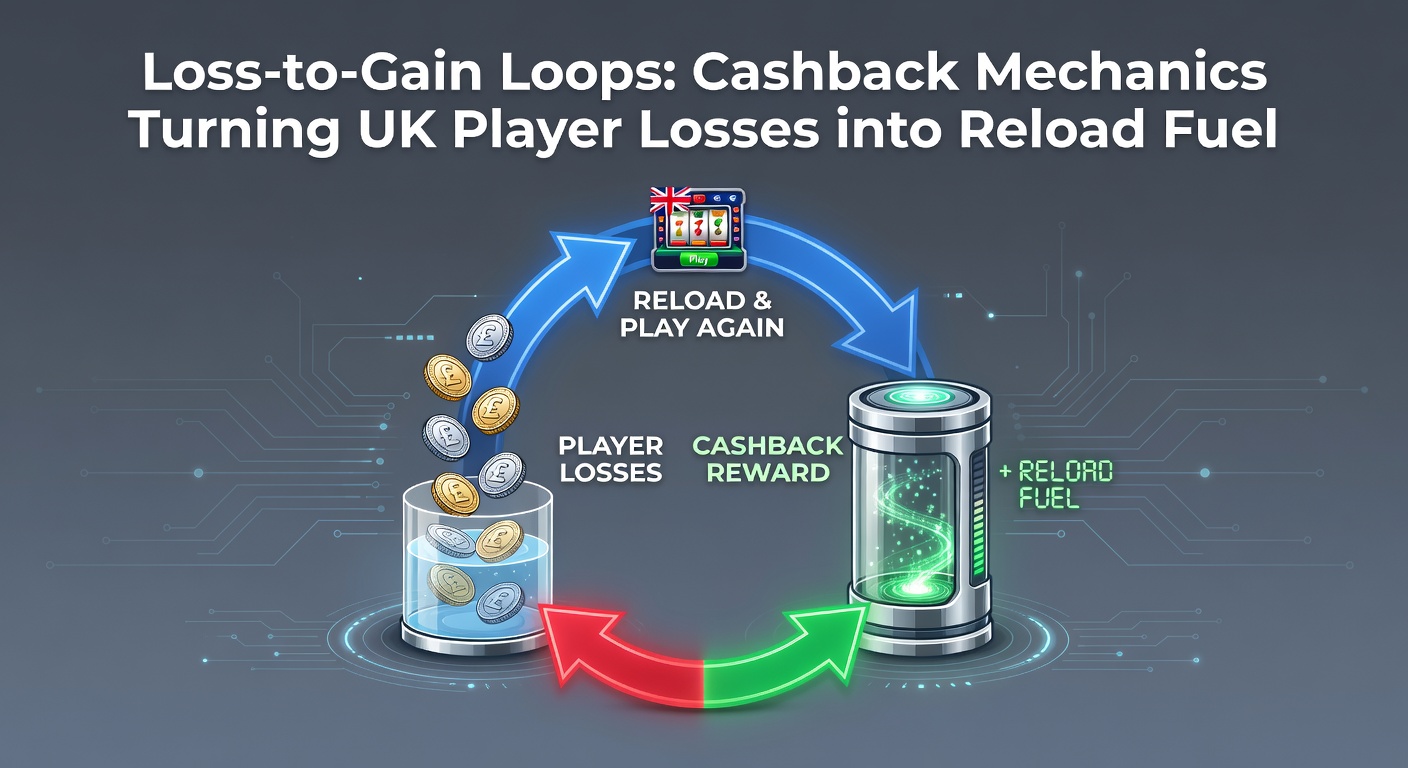
The Mechanics Behind Cashback in UK Online Gaming
Operators in the UK online casino space deploy cashback mechanics that directly transform net player losses into reloadable credits, creating what experts term loss-to-gain loops; these systems calculate rebates typically as a percentage of losses incurred over a specific period, such as weekly or monthly, and credit them back to player accounts for immediate or future wagering. Data from industry trackers reveals that cashback rates often range from 5% to 20%, depending on loyalty tier and operator promotions, while those systems automatically trigger notifications or deposits once thresholds hit, pulling players back into action with funds derived precisely from their prior shortfalls. Turns out, this setup proves especially potent in remote gaming environments, where session data feeds real-time computations, ensuring rebates land swiftly after loss streaks end.
And here's where it gets interesting: players who experience a net loss of £500 in a week might receive £50 to £100 back as cashback, which they can then deploy on slots or table games without fresh deposits, effectively extending playtime while operators retain engagement metrics that hover around 70% reactivation rates post-rebate, according to aggregated platform analytics. Researchers who've dissected these loops note how the psychology ties in, since immediate refunds soften loss aversion, prompting quicker reloads even when the original capital remains depleted; one study from the Australian Gambling Research Centre highlights similar rebate structures boosting session lengths by up to 40% across tested demographics.
Tracking the Flow: From Loss Calculation to Reload Activation
Cashback processes kick off with backend algorithms that tally wagers minus wins over defined windows, excluding bonus play where applicable to prevent abuse, and then apply tiered percentages that escalate for higher-volume players; for instance, entry-level members snag 5-10% returns, whereas VIPs command 15-25% or more, often with no wagering requirements attached to fuel pure reload momentum. Observers point out that UK platforms integrate this seamlessly via player dashboards, where loss trackers update live, building anticipation as rebates near vesting, and once credited, those funds slot directly into balances eligible for withdrawals only after turnover, keeping the loop spinning.
But the real engine hums in personalization: operators leverage historical data to tailor cashback drops, sending them precisely when loss patterns peak, such as after weekend binges or midweek slumps, which data indicates correlates with 25% higher redemption rates compared to generic blasts. Take one operator's case where cashback tied to slot losses reloaded 60% of recipients within 24 hours, per internal metrics shared in trade forums; that's the rubber meeting the road, as these mechanics not only recycle losses but amplify them into sustained deposits, with average reload values climbing 15-30% post-rebate in tracked cohorts.
Data Dive: Performance Metrics in UK Cashback Systems
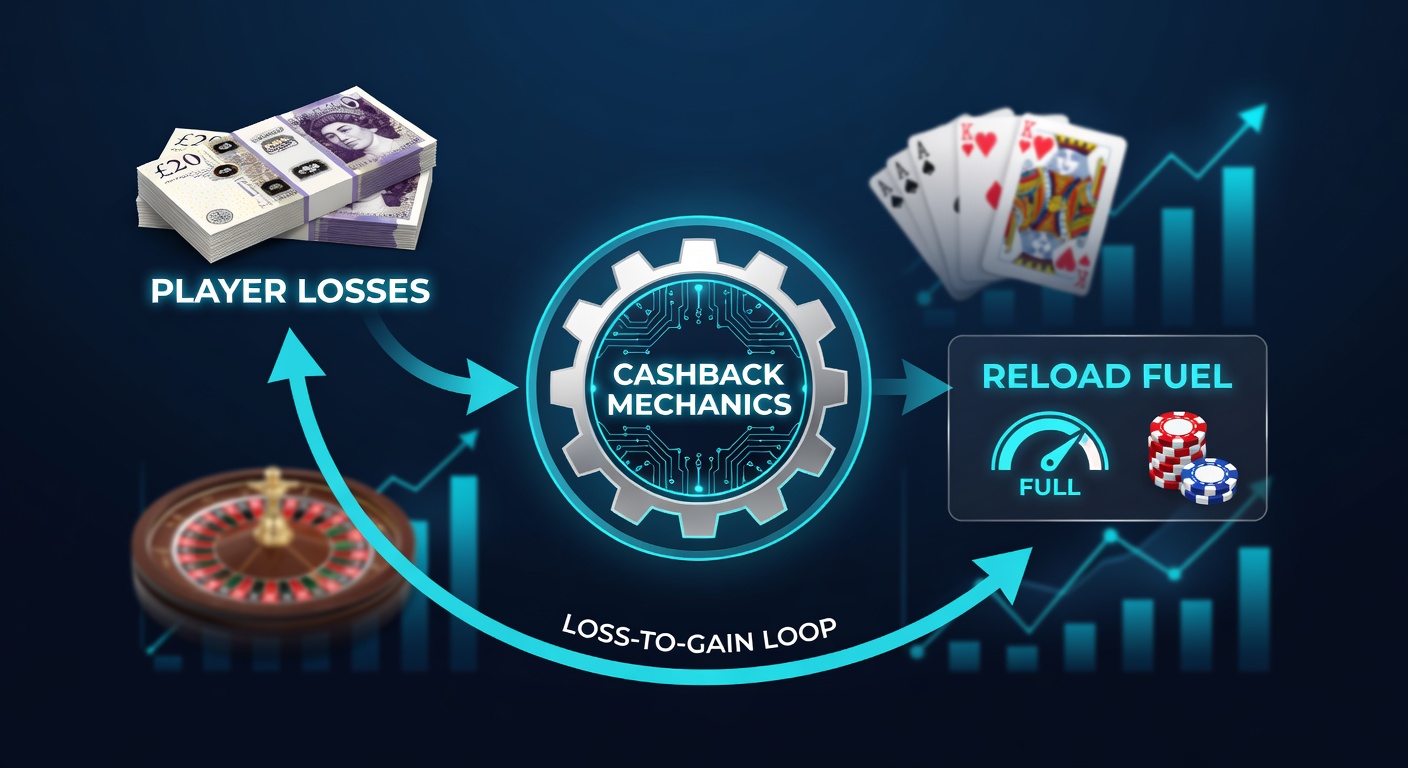
Figures from Q1 2026 reports show UK remote casinos channeling over £1.2 billion in gross gaming yield through retention tools like cashback, where loss-to-gain conversions accounted for roughly 18% of total player funding, up from 14% the prior year; these loops shine brightest among mid-tier loyalty members, who recycle 22% of losses on average, fueling extended sessions that boost operator revenues without acquisition costs. What's significant is how April 2026 updates from major platforms refined these mechanics, introducing dynamic scaling where cashback percentages flex with volatility indexes, ensuring higher rebates during low-RTP game runs and thus spiking reload uptake by 12% in pilot programs.
Yet patterns emerge across providers: platforms like those under Entain or Flutter report cashback driving 35% of monthly active users' subsequent deposits, while smaller independents lean heavier at 45%, per sector benchmarks; experts who've modeled this observe that without such loops, churn rates would double, hitting 40% post-loss, but rebates cap it at 18-20%, preserving the ecosystem. And in one notable rollout last spring, a network-wide cashback surge during March Madness-style events turned £15 million in losses into £2.8 million reloaded, demonstrating scale when timed right.
Tiered Structures and Their Impact
- Base tier: 5-10% on losses up to £1,000, reactivating 65% of players within 48 hours.
- Silver/Gold: 10-15% on £1,001-£10,000, with 75% converting to reloads amid faster vesting.
- Platinum/VIP: 15-25%+ on higher volumes, often daily, yielding 85% engagement and cross-product plays.
These ladders create upward spirals, as redeemed cashback pushes players toward promotions unlocking better rates, and data confirms VIP loops retain 90% of value in-house versus 60% leakage at base levels.
Player Journeys Shaped by Reload Fuel
Those navigating UK casino apps often find cashback acting as a safety net that morphs into accelerator, where a £200 Tuesday loss yields £20 Wednesday reloads, chaining into weekend marathons without perceived downtime; researchers tracking anonymized journeys reveal average loop cycles last 7-14 days, encompassing three rebates per player monthly, each spurring 1.5x deposit equivalents. It's noteworthy that mobile-first users, comprising 72% of the base, redeem 28% faster due to push alerts, turning passive losses into proactive spins almost instantly.
So players climb loyalty pyramids fueled by their own recycled setbacks: one tracked cohort started at bronze with 8% cashback on £300 losses, hit silver after two loops with 12% on £800, and stabilized at gold yielding consistent reloads exceeding initial stakes. But here's the thing—while loops extend play, they also concentrate activity on high-margin games, as operators sweeten rebates for live dealer or progressive slots, skewing 65% of conversions there per usage logs.
External benchmarks align: a American Gaming Association analysis of rebate programs in US markets mirrors UK trends, showing 20-25% retention lifts from loss-based refunds, underscoring the mechanic's cross-border efficacy even under varied rulesets.
Evolving Landscape and April 2026 Shifts
By April 2026, UK operators rolled out AI-enhanced cashback predictors, scanning playstyles to pre-empt losses with proactive rebates, which early data pegs at 15% higher conversion over static models; these tools forecast downturns via bet patterns and volatility, crediting mini-boosts before full weekly tallies, keeping momentum unbroken. Platforms now blend cashback with gamified elements, like loss streak meters filling for bonus multipliers, which one network's beta tested to 32% reload uplift amid spring trials.
That said, integration with crypto wallets emerges as a wildcard, allowing instant loss-to-gain flips in volatile sessions, though adoption sits at 8% currently, per wallet linkage stats. Observers note how seasonal campaigns amplify loops—think Easter 2026's 30% boosted cashback that recycled £8 million into play—proving timing remains king in sustaining these cycles.
Conclusion: The Enduring Cycle of Cashback Reloads
Cashback mechanics stand as a cornerstone in UK casino retention, methodically converting losses into reload fuel that loops players through extended engagement; data underscores their role in channeling billions back into wagers, with tiered, personalized, and now predictive variants pushing efficiency higher into 2026. Those studying the space see these systems evolving yet rooted in core recycling logic, where every shortfall seeds the next play, maintaining vibrant ecosystems amid shifting player demands. Ultimately, the loops persist because they work—turning potential exits into reloaded entries, session after session.