UK Gambling Commission Announces Intensified Crackdown on Illegal Gambling Operators
UK Gambling Commission Announces Intensified Crackdown on Illegal Gambling Operators
The Announcement at BGC AGM
Tim Miller, Executive Director of the UK Gambling Commission (UKGC), took the stage at the Betting and Gaming Council (BGC) Annual General Meeting on 26 February 2026, where he outlined bold plans for a tougher stance against illegal gambling operators targeting UK players. This speech, delivered to industry leaders, signaled a shift toward more aggressive enforcement; operators offering unlicensed services, especially those flaunting "not on Gamstop" labels, now face heightened scrutiny from regulators determined to safeguard consumers and legitimate businesses alike. What's interesting here is how the UKGC positions this crackdown not just as punishment, but as a multi-pronged strategy encompassing enforcement actions, demand reduction tactics, and innovative tools to disrupt illicit activities.
Attendees at the AGM heard Miller emphasize the need to protect the regulated market, including online casinos that comply with strict licensing rules, while rooting out offshore sites that evade oversight and exploit vulnerable players. The reality is that illegal operators often lure customers with promises of unrestricted access, bypassing self-exclusion schemes like Gamstop; yet, as Miller noted, such platforms undermine public safety measures and siphon revenue from taxed, accountable enterprises. Data from regulatory reports underscores the scale of the problem, with unlicensed sites proliferating through aggressive online marketing, which brings us to the heart of the new initiatives.
Partnership Push with Meta Platforms
A key highlight from Miller's address involved fresh collaborations wth Meta to eradicate illegal advertisements for unlicensed gambling sites on Facebook and Instagram; these talks, already underway as of early March 2026, aim to choke off the demand side by removing deceptive promotions that direct users to rogue operators. Platforms like these have become hotspots for "not on Gamstop" ads, which prey on individuals seeking to circumvent exclusion tools, and the UKGC views this partnership as a game-changer in the fight against digital infiltration. Observers note that similar efforts with social media giants have yielded results elsewhere, but this targeted approach with Meta promises quicker, more visible impacts on UK audiences.
But here's the thing: this isn't a standalone move; it forms part of the broader Government's Illegal Gambling Taskforce, a coordinated effort backed by £26 million from the Treasury spread over three years, funding everything from tech-driven monitoring to cross-agency operations. The taskforce, which includes enforcement bodies and tech experts, focuses on three pillars—strengthening enforcement against operators, curbing consumer demand through awareness and ad takedowns, and fostering innovation like AI tools to detect illicit patterns in real time. Figures reveal that such funding could amplify existing capabilities, allowing regulators to process more complaints and pursue international takedowns more effectively.
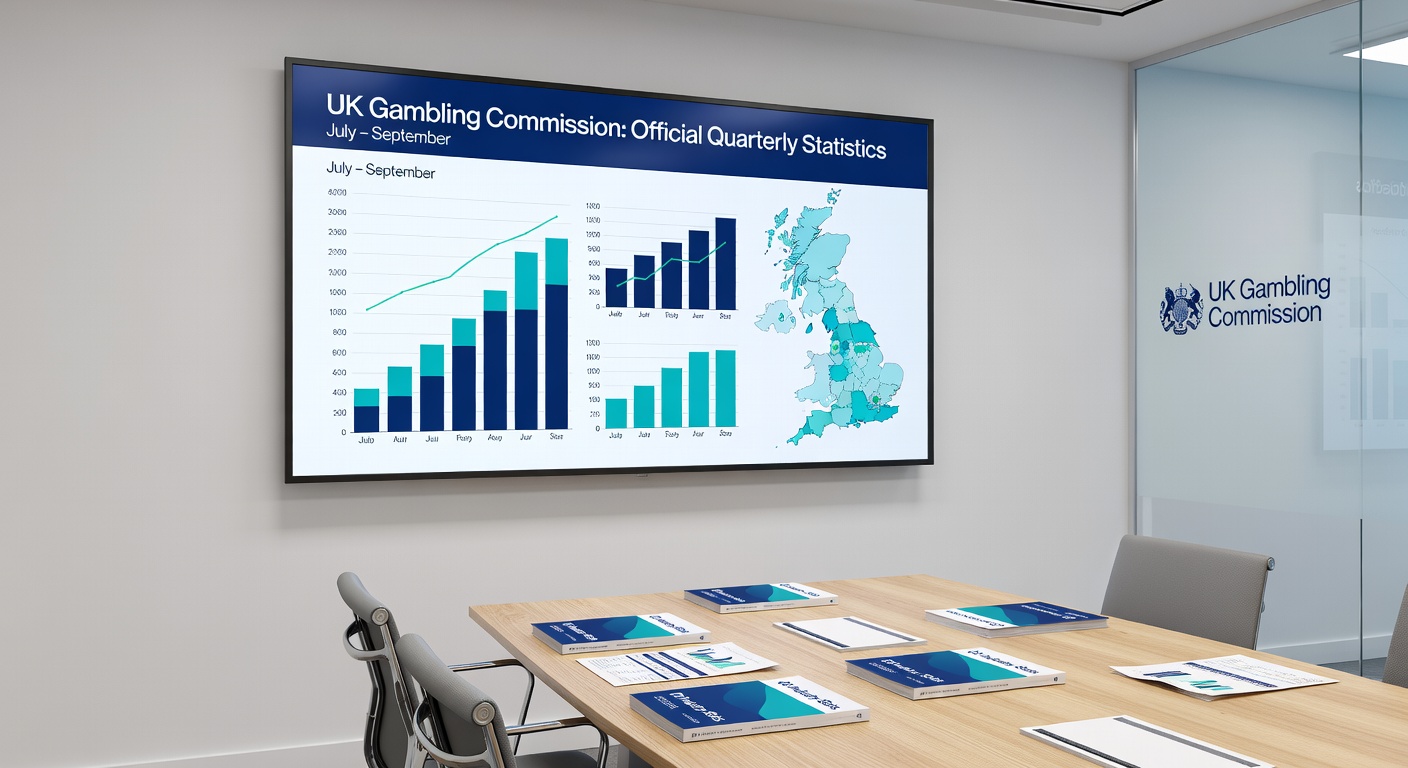
Enforcement and Consumer Protection at the Core
Enforcement ramps up under these plans, with the UKGC committing to swifter license revocations for any regulated firms caught facilitating illegal activity, alongside direct actions against offshore entities through international partnerships; take one recent case where regulators successfully shut down a network of unlicensed sites after tracing payments back to UK users, a tactic set to expand with the new resources. People who've studied the landscape point out that illegal operators often operate from jurisdictions with lax rules, yet UK payment processors and banks now face pressure to block transactions, making it harder for these sites to thrive.
And while enforcement grabs headlines, demand-side measures take equal billing; campaigns will educate players on the risks of unlicensed sites, highlighting how Gamstop provides genuine protection that rogue platforms deliberately dodge. It's noteworthy that as March 2026 unfolds, initial Meta discussions have already led to pilot ad removal programs, with reports indicating a drop in visible promotions on Instagram feeds targeted at UK IP addresses. This layered approach—combining tech, education, and legal muscle—aims to shrink the illegal market's footprint, protecting not only individual consumers but also the £14 billion regulated sector that employs thousands.
Innovation Driving the Crackdown
Innovation emerges as the wildcard in Miller's vision; the taskforce invests in cutting-edge surveillance, such as machine learning algorithms that scan for suspicious betting patterns across borders, while blockchain analysis helps unmask anonymous operators hiding behind crypto payments. Experts who've tracked similar tech deployments elsewhere have observed success rates climbing as high as 70% in identifying illicit networks early, and the UKGC plans to adapt these for domestic use. So, although rogue sites adapt quickly, this funding ensures regulators stay one step ahead, turning the tide through proactive disruption rather than reactive fines.
Broader Regulatory Context and Industry Response
The BGC AGM speech lands amid ongoing tweaks to the regulatory framework, including proposed changes to Gambling Commission fees that could redistribute costs more fairly across operators, freeing up resources for anti-illegal efforts. Industry groups like the BGC have welcomed the announcement, with leaders stressing that a level playing field benefits everyone; legitimate online casinos, for instance, invest heavily in responsible gambling tools, only to compete against untaxed rivals offering unsustainable bonuses. Turns out, BGC members see the Meta collaboration as particularly timely, given how social media drives a significant portion of gambling traffic among younger demographics.
Those in the regulated space often discover that illegal competition erodes trust, as high-profile scandals from rogue sites tarnish the entire industry; Miller's remarks underscore this, noting that consumer protection hinges on collective action. As March 2026 progresses, stakeholders anticipate quarterly updates on taskforce progress, including metrics on ad removals and site blocks, which will gauge the initiative's early traction. The writing's on the wall for illegal operators: with £26 million fueling a unified front, evasion becomes far riskier.
Conclusion
Tim Miller's speech at the BGC AGM on 26 February 2026 marks a pivotal moment in the UK's battle against illegal gambling, launching intensified enforcement, Meta partnerships for ad takedowns, and a well-funded Illegal Gambling Taskforce dedicated to consumer safety and market integrity. This comprehensive strategy—blending enforcement muscle, demand curbs, and tech innovation—positions regulators to dismantle unlicensed operations more effectively than ever before. As developments unfold into March 2026 and beyond, the regulated sector stands to gain from a cleaner landscape, while players benefit from robust protections against deceptive "not on Gamstop" lures. Observers watch closely, knowing that sustained action could redefine online gambling oversight for years to come.